Barcelona in Winter: What to Do When the Beach Closes
Mild days, empty museums, snow ninety minutes away and the best three months of the year to actually see the city properly.
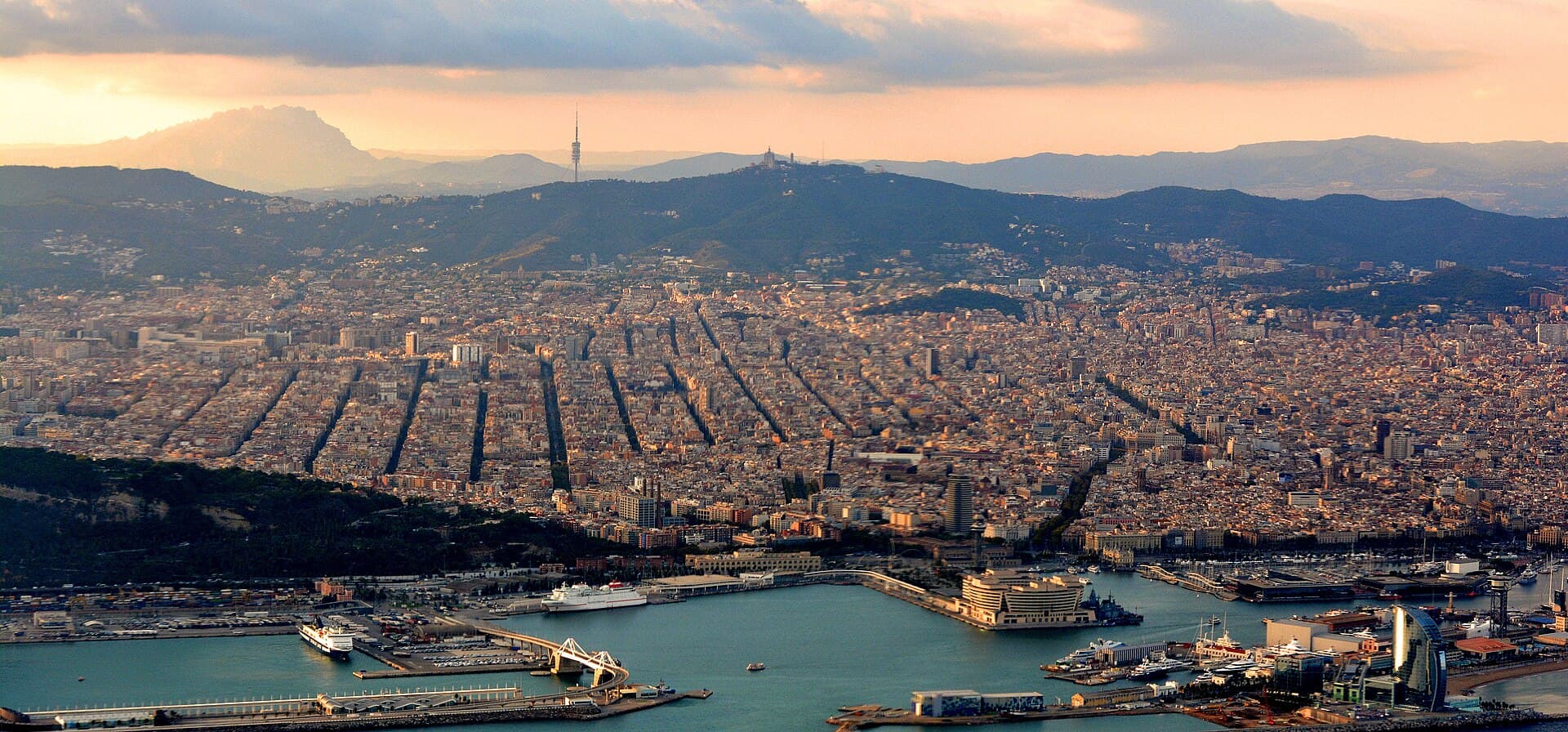
Photo: M McBey · CC BY 2.0 via Wikimedia Commons
Barcelona's winter is mild by any northern European standard — daytime highs usually between 13 and 17 degrees, plenty of sun, and rain that arrives in short bursts rather than settling in for a week. What changes is not really the weather. It is that the crowds disappear.
Between January and early March you can walk into places that require timed tickets booked weeks ahead in summer. For anyone whose interest in Barcelona is the architecture, the art and the food rather than the beach, this is unambiguously the best time to come.
Things to do in Barcelona in winter
- See the Sagrada Família's nave in low winter sun, without the summer queue
- Book a calçotada at a farmhouse restaurant outside the city
- Take the Palau de la Música tour on a wet afternoon
- Ski La Molina or Andorra and be back on the coast the next day
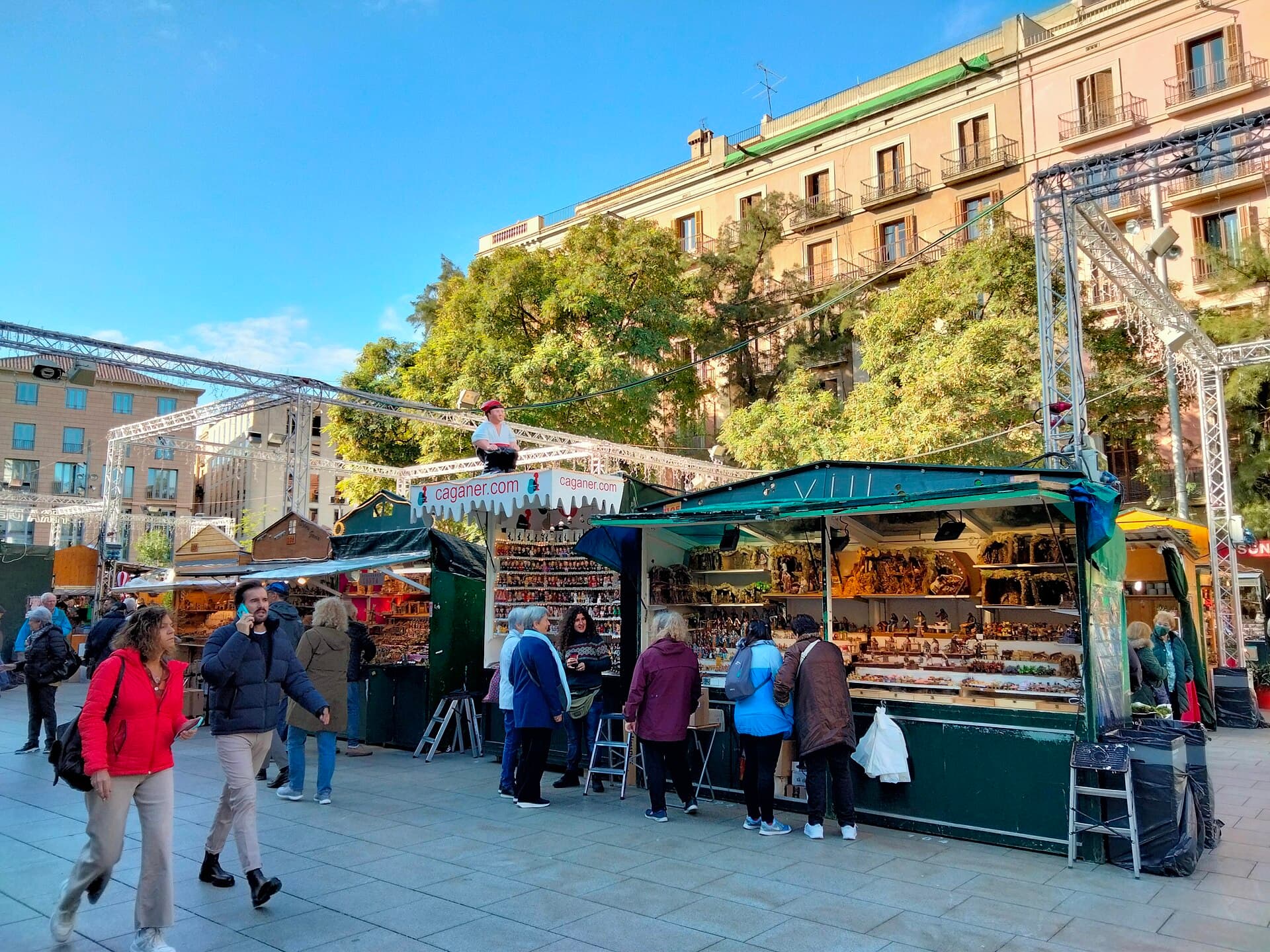
- Catch the Three Kings parade on 5 January or Santa Eulàlia in February
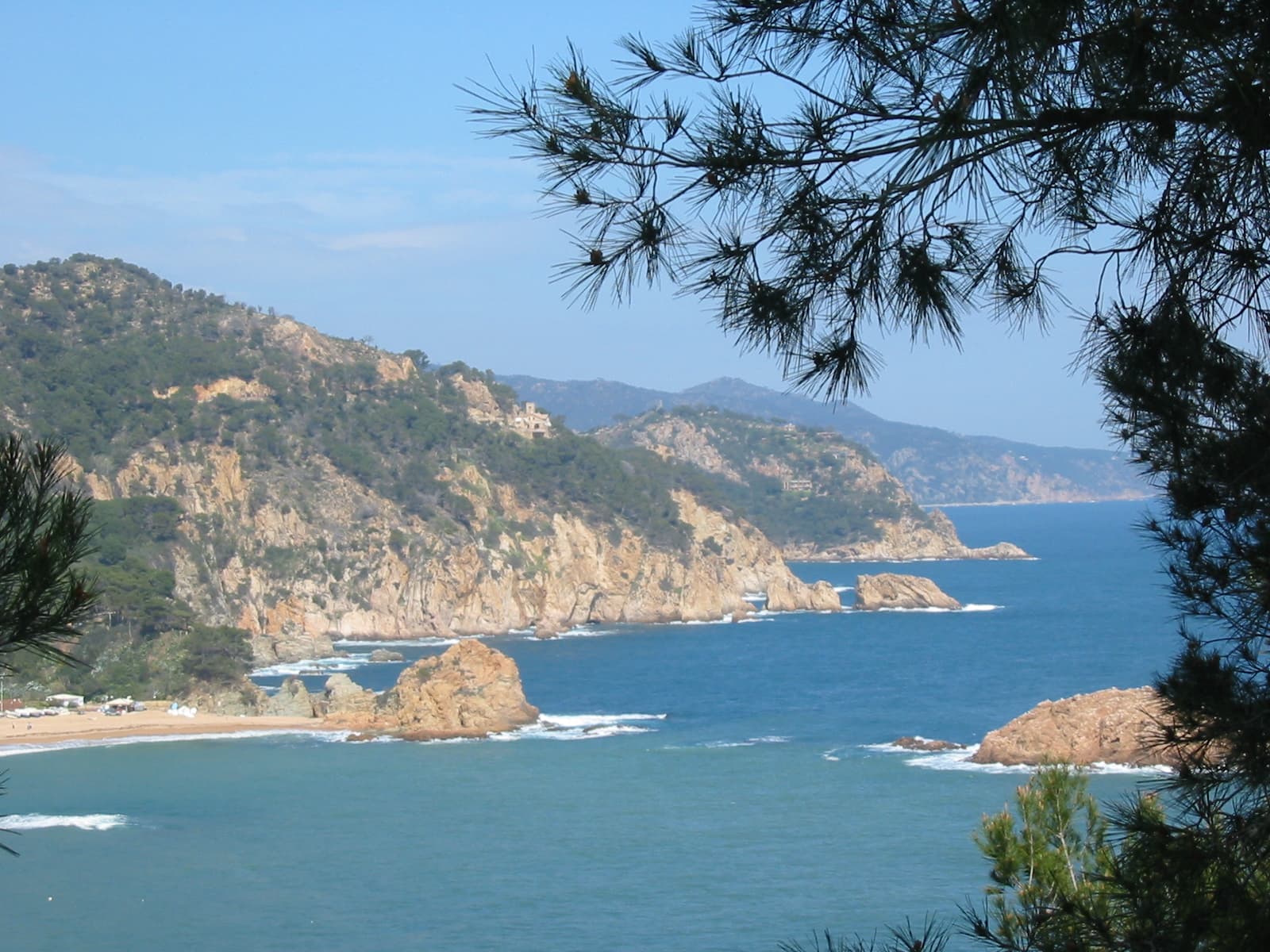
- Walk the Camí de Ronda between empty Costa Brava coves
The sections below cover each in turn.
The city without the queues
Gaudí, properly
The Sagrada Família, Park Güell, Casa Batlló and La Pedrera all still require tickets, but availability in January is a completely different proposition from July. More importantly, the interiors are calm enough to actually look at. The Sagrada Família's nave in low winter sun, with the west windows throwing blue and green across the columns, is worth the trip on its own.
The museums
The Picasso Museum, the Miró Foundation, MNAC on Montjuïc and the MACBA are all substantially quieter. MNAC in particular — its Romanesque collection, a set of church frescoes physically removed from Pyrenean chapels and reassembled, is one of the great museum holdings in Europe and is routinely half-empty in winter.
A wet-afternoon plan
The Palau de la Música Catalana runs guided tours of an interior that is essentially a stained-glass box. It is entirely indoors and it is the best hour you can spend in Barcelona when it is raining.
Winter food
Calçotada season
From roughly late January to early April, Catalonia eats calçots — a long, mild spring onion grilled black over vine cuttings, peeled at the table, dipped in romesco sauce and lowered into your mouth by hand. It is messy, communal and served with a bib, usually followed by grilled meat and cava.
The traditional way to do it is at a masia — a farmhouse restaurant — in the countryside around Valls, which is the town most associated with the dish, or anywhere in the Penedès. This is one of the genuine reasons to visit Catalonia in winter.
Heavier cooking
Winter is also escudella i carn d'olla season — a substantial meat and vegetable stew traditionally eaten around Christmas — and the point in the year when the city's older restaurants bring out the dishes that make no sense in August.
Snow within reach
It surprises people that you can ski and swim in the same region on the same weekend, but the Pyrenees are close.
Andorra
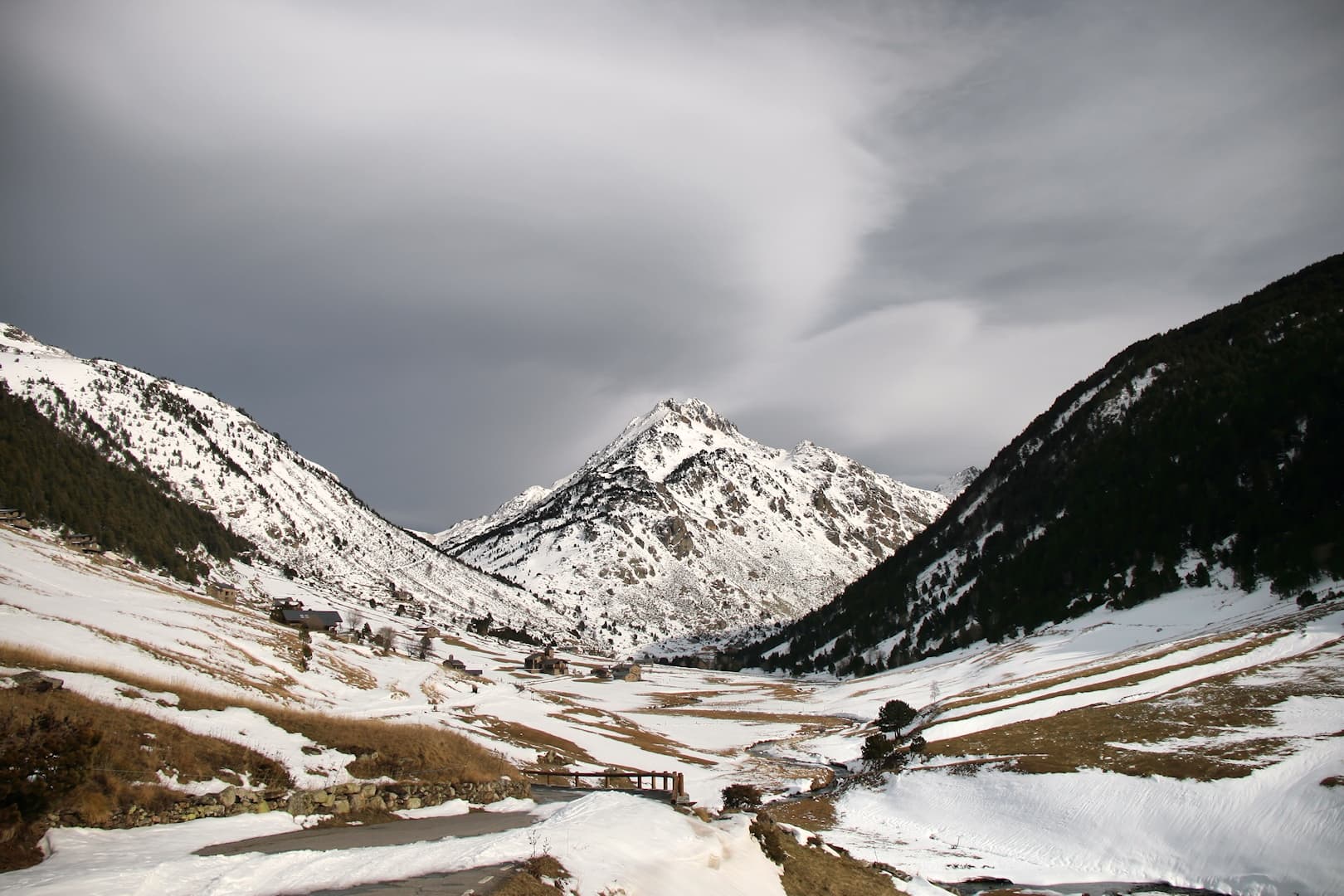
Three hours north and home to the largest ski area in the Pyrenees. Grandvalira alone has over 200 kilometres of pistes. It is entirely realistic as a two- or three-day trip from Barcelona, or even as a long day if you are determined.
La Molina and Masella
Closer — about two hours — in the Cerdanya valley, and linked together as Alp 2500. La Molina is the oldest ski resort in Spain. For a first taste of Pyrenean skiing without crossing an international border, this is the easiest option.
Vall de Núria
A high valley reached only by rack railway, with no road access at all. Snowshoeing and gentle skiing in a genuinely isolated setting. The train journey up is half the experience.
Where locals go on a cold Sunday
Two things fill up in winter that visitors rarely think of. The first is the Collserola hills directly behind the city — a large forested park reachable by funicular, with paths, viewpoints and a couple of restaurants, and almost no tourists at any time of year. The second is the thermal town of Caldes de Montbui, forty minutes north, where the springs run at over 70 degrees and have been in use since Roman times.
The coast in winter
Most Costa Brava resorts shut down between November and March, and that is precisely the appeal for some visitors. Walking the Camí de Ronda between empty coves on a bright, cold February day, with the tramuntana blowing and nobody else on the path, is a completely different experience from the same walk in August.
Cadaqués stays open year round and is particularly good in winter. Tossa and Lloret are much quieter, though many restaurants will be closed.
What to pack
Layers rather than a heavy coat. Barcelona buildings are often less well heated than northern visitors expect, and the temperature swing between a sunny street and a shaded one in January is considerable.
Winter festivals
Three Kings, 5 January
The largest street event of the Barcelona winter: the Magi arrive by sea at Port Vell and process through the city on floats, throwing sweets. If you are in the city in early January this is the thing to build an evening around.
Santa Eulàlia, February
Barcelona's winter festival, honouring one of the city's two patron saints, held around 12 February. Expect castells — human towers — gegants, parades of giant figures, and correfocs, in which people dressed as devils run through the streets with fireworks. Much of it is free and it is considerably less touristed than the September Mercè festival.
Carnival, February or March
Barcelona's own carnival is modest. Sitges, forty minutes down the coast, has one of the largest in Spain — a week of parades and a town that does not sleep. It is the single best winter day trip on the calendar if the dates line up.
Getting around in winter
Winter brings shorter daylight — dark by about half past five in December — which compresses a day trip more than people plan for. It also brings the possibility of snow and chains on the mountain roads to Andorra and the Cerdanya.
Both are arguments for being driven rather than driving on the mountain routes. On the coast and in the city, winter traffic is lighter and journeys are quicker than in summer.
Book your transfer to Barcelona City
Private, door-to-door, with a fixed price agreed before you travel.