Where to Go Near Barcelona in Summer
When the city hits 32°C and the beaches fill, these are the coastal towns, mountain valleys and coves within easy reach that are worth the drive.
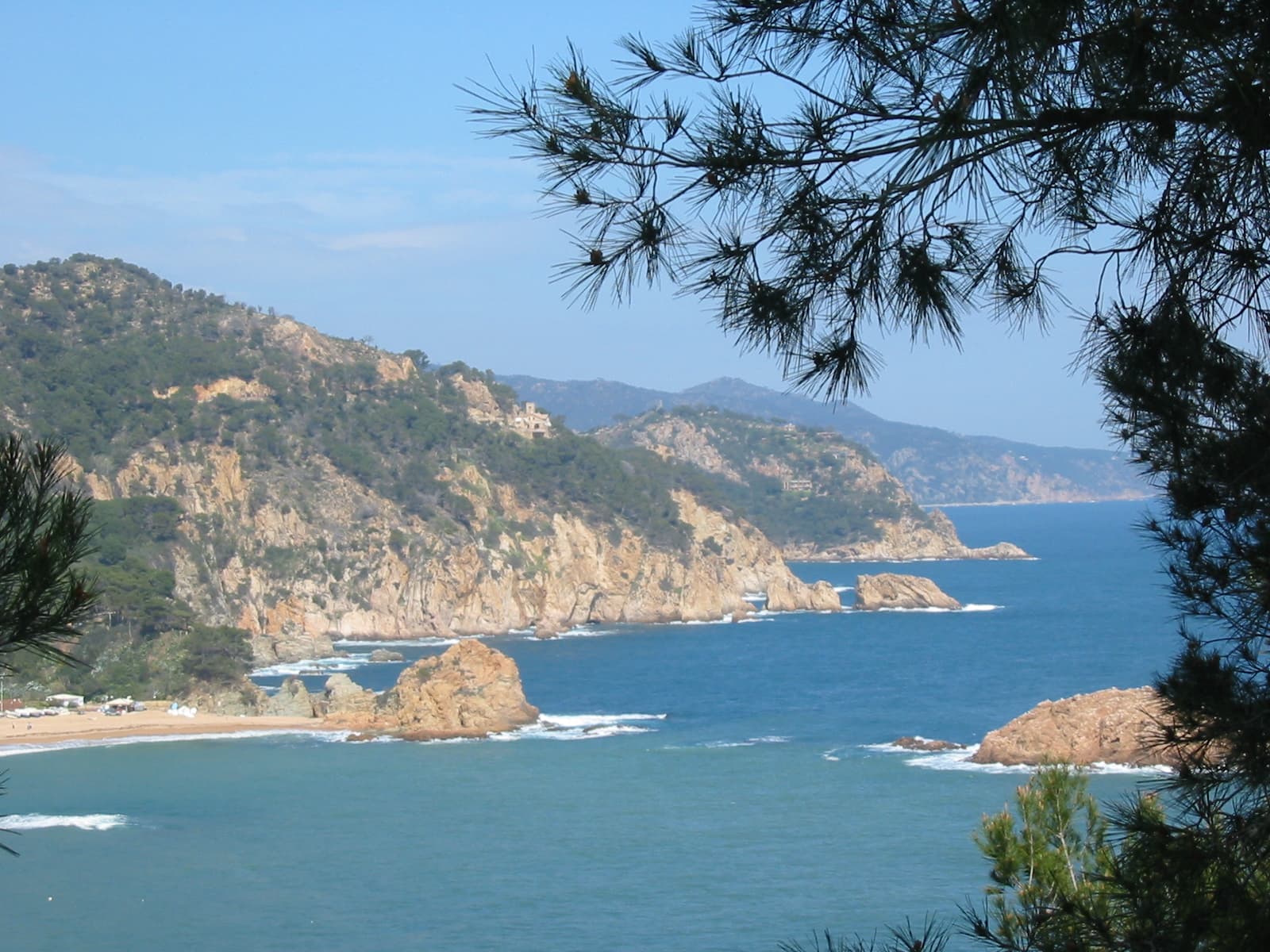
Photo: Gabriele Delhey · CC BY-SA 3.0 via Wikimedia Commons
Barcelona in July and August is hot, humid and extremely busy. Barceloneta beach in mid-August is not a beach so much as a demonstration of population density. The good news is that within ninety minutes of the city there are stretches of coast, mountain and countryside where the summer is genuinely pleasant, and most visitors never leave the city limits to find them.
This is a guide to where actually to go, organised by what kind of day you want.
For clear water and quiet coves
The northern Costa Brava
The further north you go, the better the water and the smaller the beaches. Around Palamós, Platja d'Aro and Begur the coastline breaks into dozens of small rocky inlets backed by pine, most of them reachable only on foot from a road above or by boat.
Calella de Palafrugell and Llafranc are the two villages to aim for if you want somewhere to have lunch as well as swim. Both are small, whitewashed and considerably more restrained than the resorts further south.
The Camí de Ronda
The old coastguard path threads along the cliffs between these villages. Walking a section of it in the early morning, before the heat builds, and dropping into a cove to swim is about the best thing you can do on this coast in August.
Tossa de Mar
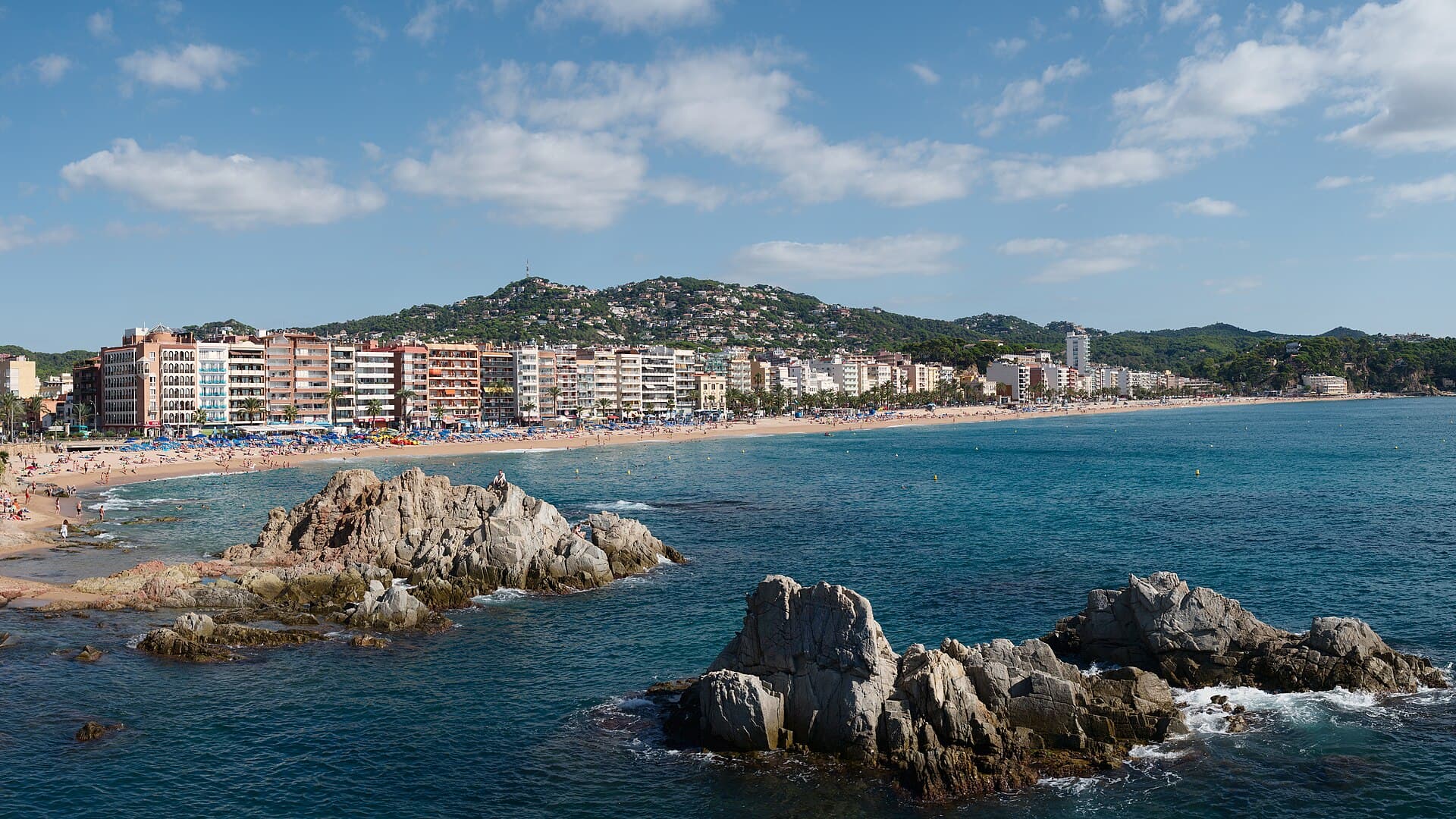
Closer to Barcelona and with the medieval walled town as a bonus. The coves either side of the town — Cala Bona, Cala Pola — are quieter than the main beach and the water is exceptionally clear.
For a beach day with everything on hand
Sitges
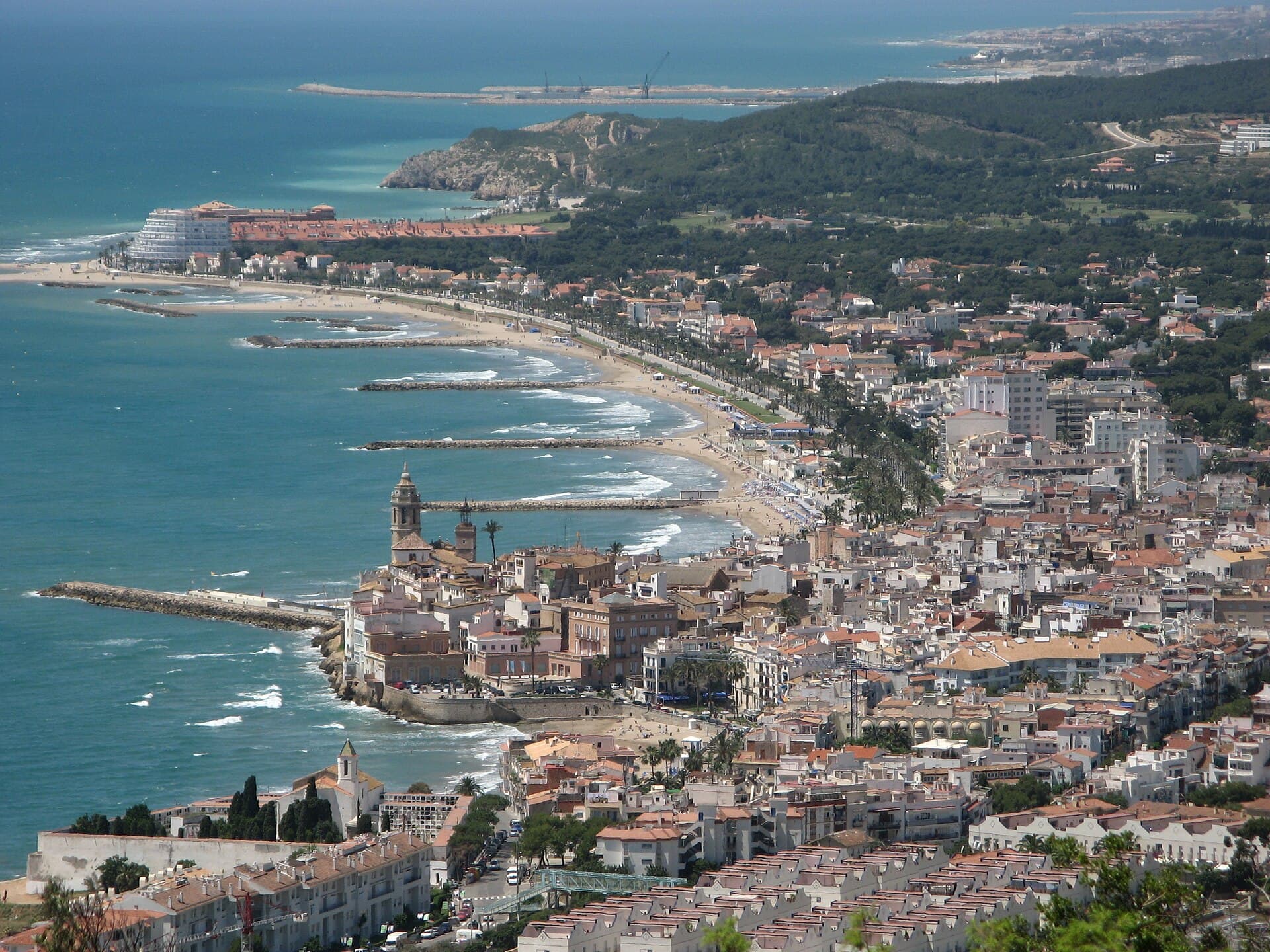
Thirty-five minutes from the city, seventeen beaches, a proper old town and a serious restaurant scene. Sitges is the easiest summer escape from Barcelona and the one that requires the least planning. Walk twenty minutes southwest along the promenade and the crowds thin dramatically.
Castelldefels
Only twenty minutes from the airport, with five kilometres of wide sand and a shallow shelf that makes it particularly good for families with young children. Less characterful than Sitges, but far easier if all you want is sand and space.
For escaping the heat entirely
Montserrat
The mountain sits high enough that it runs eight to ten degrees cooler than Barcelona, and the walking trails above the monastery are shaded in stretches and exposed to whatever breeze there is. A morning on the Sant Jeroni path is a genuine relief in August.
The Pyrenean foothills
Two hours north, the valleys around La Cerdanya and the Vall de Núria are alpine rather than Mediterranean — cool nights, meadows, and rivers cold enough to be startling. This is where a large share of Barcelona's own population goes in August.
Andorra in summer
Worth knowing that Andorra is not only a winter destination. In July and August the ski lifts run for mountain bikers and walkers, the mountain temperatures are pleasant, and hotel prices are a fraction of the winter rate.
For food and wine
The Penedès
Forty-five minutes west of Barcelona, and the heart of cava production. Most of the major producers run cellar tours, and the underground caves are cool regardless of what the thermometer says outside. Sant Sadurní d'Anoia and Vilafranca del Penedès are the two towns to base a visit around.
The Empordà
Inland from the northern Costa Brava, a landscape of vineyards, medieval villages and some of the best restaurants in Catalonia. Peratallada and Pals are the two villages most worth seeing — both are essentially intact medieval settlements built in golden stone.
Timing your summer day
Leave early
The single most useful piece of advice for a summer day trip from Barcelona: be on the road by eight. You avoid the worst of the traffic heading out of the city, you get parking, and you get two hours on the coast before it fills.
Avoid Saturday on the coast road
The C-32 and the AP-7 north on a Saturday morning in August carry the entire city heading in the same direction. Sunday morning is noticeably easier, and a weekday is easier still.
The August shutdown
Many independent restaurants in Barcelona close for two or three weeks in August. On the coast the opposite is true — everything is open and running at capacity. Plan accordingly in both directions.
Three coves worth the effort
If your priority is water rather than facilities, these three repay the extra travel.
Cala Sa Tuna, Begur
A tiny fishing cove below a village of restored stone houses, with a handful of restaurants on the front and almost no development. About two hours from Barcelona and consistently one of the prettiest arrivals on the coast.
Aiguablava
Also near Begur. The name means blue water and it is not an exaggeration — a sheltered bay with white sand and unusually clear, calm water, popular with families for exactly that reason.
Cala Estreta, Palamós
Reached only on foot, about twenty minutes down a track from a rough parking area. That short walk removes almost everybody, and what is left is a sequence of small unspoilt coves with no bars, no loungers and no shade — bring water and an umbrella.
Getting out of the city
The coastal trains run to Sitges and Castelldefels and are perfectly good. Beyond that — the northern Costa Brava, the Empordà villages, the Penedès cellars, the mountains — public transport becomes slow, involves connections, and in several cases does not reach the destination at all.
For a group, or a day where you want to see two places rather than one, a private transfer with waiting time removes the timetable from the equation entirely and lets you leave when the beach gets busy rather than when the bus goes.
Book your transfer to Costa Brava
Private, door-to-door, with a fixed price agreed before you travel.